
Formula 1 in Las Vegas: How a Race Became an Urban Economic Project
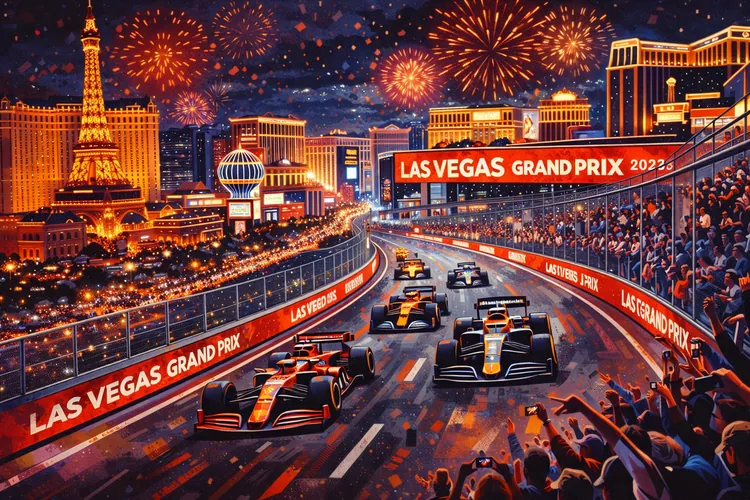
When Formula 1 announced a new race in Las Vegas, it wasn’t just adding another Grand Prix.
It was building a race around a city — and reshaping the city for the race.
A track unlike most F1 circuits
The Las Vegas circuit is a street track:
- running along the Strip,
- passing major hotels and casinos,
- integrated into the city itself.
But it also includes permanent infrastructure:
- paddock and pit complex,
- logistics and support facilities,
- year-round event capabilities.
Why Las Vegas fits Formula 1
Formula 1 sells:
- global attention,
- premium audiences,
- luxury branding.
Las Vegas offers:
- entertainment,
- hospitality,
- high-spending visitors.
Together, they create a destination experience — not just a race.
The investment: a long-term bet
Estimated investment:
- $500M+
Spent on:
- infrastructure,
- logistics,
- security,
- urban adjustments.
Unlike many cities, Las Vegas saw direct investment from Formula 1 itself.
Immediate economic impact
The first race delivered:
- tens of thousands of visitors,
- surging hotel prices,
- packed venues across the city,
- global media exposure.
Impact estimates reached billions of dollars.
The cost: disruption
Local challenges included:
- construction disruptions,
- road closures,
- access issues,
- lost revenue for some businesses.
Benefits were concentrated.
Costs were widespread.
A different economic model
In most cities:
- governments pay to host,
- F1 collects fees.
In Las Vegas:
- F1 invests directly,
- owns infrastructure,
- captures more value.
This shifts the model toward long-term ownership.
Long-term impact
The goal is not one race — but a system:
- annual high-value event,
- stable tourism driver,
- global branding tool.
F1 becomes part of the city’s economic engine.
Final thought
The Las Vegas Grand Prix is not just a race.
It is a new model of sports economics —
where cities are not just hosts,
but platforms for long-term value creation.