
Cashless vs. Electronic Money: What’s the Difference — and Why It Matters
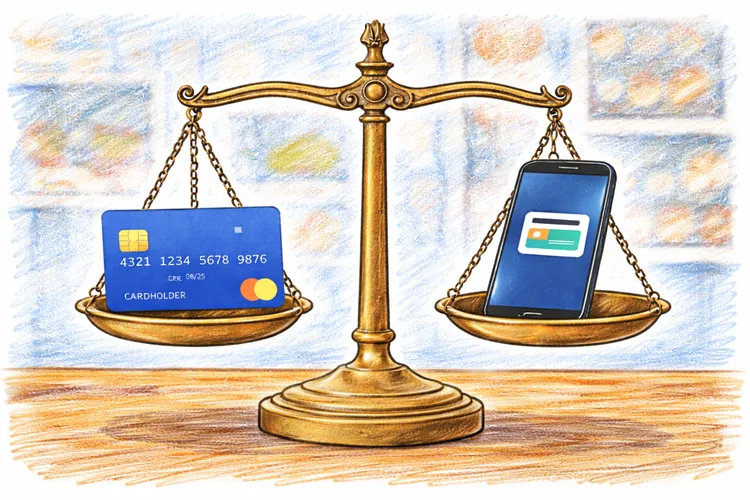
We tap our phones, swipe cards, send money in seconds, and rarely touch cash anymore.
Yet many people use the terms cashless money and electronic money as if they mean the same thing.
They don’t.
Understanding the difference isn’t just academic.
It affects how safe your money is, who controls it, and what happens when systems fail.
Cashless Money: Your Money, Just Without Cash
Cashless money is the money you already know — bank money — just without physical bills or coins.
Examples include:
- debit and credit cards
- bank transfers
- payroll deposits
- checking and savings account balances
When you pay with a card or send a transfer from your bank, you’re using cashless money.
It is still traditional currency — U.S. dollars, Canadian dollars, euros —
issued by governments and regulated by central banks.
In short:
💳 Cashless money is regular money in digital form.
Electronic Money: Money That Lives Inside Systems
Electronic money (often called e-money) goes a step further.
It exists inside a specific digital platform — not directly in your bank account.
Examples include:
- PayPal balances
- Apple Pay or Google Pay wallet balances
- prepaid cards
- online payment apps
In many cases, you don’t hold this money directly.
A private company holds it on your behalf.
That means access to your money depends on the platform itself.
📱 Electronic money is money inside an ecosystem.
That distinction matters more than it sounds.
Why the Difference Matters
With cashless money:
- your funds are protected by banking regulations
- deposits are usually insured
- you can withdraw cash or transfer between banks
With electronic money:
- access depends on the platform
- accounts can be frozen or limited
- protection rules vary by provider
Most of the time, everything works smoothly.
But when there’s a dispute, a technical failure, or a sudden policy change,
the difference becomes very real.
Convenience vs. Control
Electronic money wins on convenience.
Cashless money wins on stability and legal clarity.
Smart financial behavior isn’t about choosing one over the other.
It’s about knowing what kind of money you’re using at any given moment.
The future is clearly digital.
But in a digital world,
clarity is still power.